According to …, safety and the protection of patients, staff and equipment are of particular importance in hospital construction and development. The proper implementation of fire detection and suppression systems, smoke management, access control and building automation plays an important role in ensuring safety and maintaining the continuity of healthcare services. With more than four decades of experience, Tak Lad Group is among the companies active in designing and implementing these infrastructures and providing safety engineering solutions.
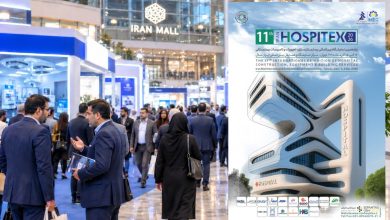
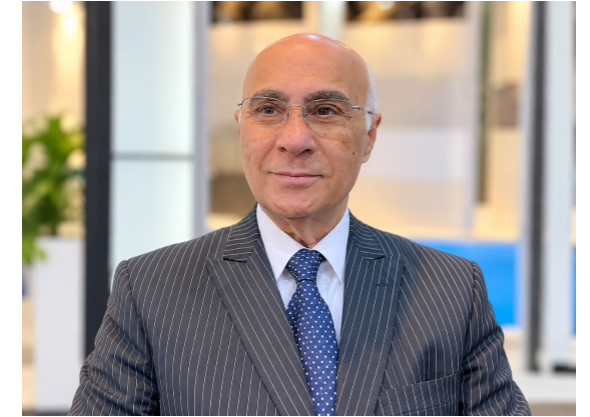
On the occasion of Tak Lad Group’s support for the 11th International Exhibition of Hospital Construction, Equipment and Facilities (HOSPITEX 2026), we spoke with Engineer Mohammadreza Heydari, CEO of the group and known as the Father of Fire Science in Iran, about hospital safety challenges, the role of smart systems and the company’s solutions for improving the safety of healthcare facilities.
Engineer Heydari, introducing Tak Lad Group and its areas of activity, said: “With more than four decades of experience, our group operates in the field of safety engineering, protection and building automation solutions. Our approach is to provide comprehensive services, from consulting and design to equipment supply, installation, commissioning, training and maintenance, ensuring that clients receive specialized support throughout every stage of project implementation and operation.
“Our main areas of activity include fire detection and suppression systems, smoke management and control, voice alarm and emergency evacuation systems, access control and intelligent building management. In healthcare projects, we focus on solutions that help improve the safety of patients and staff while also taking into account service continuity and ease of operation.”
Smart Access Control: A Solution for Improving Hospital Security
Commenting on the role of smart access control and safety systems in enhancing the security of hospitals and healthcare facilities, the CEO of Tak Lad Group stated: “A hospital is an environment where rapid access to medical services must be ensured while simultaneously protecting patients, staff and sensitive departments. Access control systems make it possible to define individuals’ access permissions based on their responsibilities, workplace and hours of presence. For example, access to operating rooms, pharmacies, laboratories and technical facilities can be controlled, while records of movements remain available for review.
“The main value of these solutions becomes even greater when they are coordinated with other safety systems. In emergency situations, access control must be compatible with the approved fire response scenario and safe evacuation requirements, so that it does not obstruct rescue operations. Rapid incident detection, targeted notifications and coordination between systems also help operational teams make faster and more accurate decisions. Our goal is to create security that serves the healthcare process.”
An Equipment-Centered Approach: One of the Main Challenges in Hospital Safety
Explaining the main challenges facing hospitals in the country in the areas of safety, fire detection and suppression, and building automation, Heydari said: “In our view, one of the most significant challenges is the short-term, equipment-centered approach to safety. However, hospital safety depends on the coordinated performance of design, equipment, maintenance and personnel. Having equipment in place is not enough; it must also be clear what each system is expected to do during an incident and how staff should respond.
“The issue is even more sensitive in hospitals because some patients cannot move independently, while interruptions to essential services can have serious consequences. Therefore, the design and upgrading of systems must be tailored to actual operating conditions and the limitations of each facility.”
The CEO of Tak Lad Group continued: “The deterioration of some infrastructure, fragmented implementation of systems, limited maintenance budgets, and insufficient training and periodic testing are among the challenges that need to be addressed. Our proposed solution is to begin with a risk assessment, prioritize corrective measures and develop a phased plan for improving safety-a plan whose performance can be measured and documented over time.”
Smart Smoke Management and Firefighting Pumps: Tak Lad’s Two Main Focus Areas at HOSPITEX
Referring to Tak Lad Group’s plans for participating in HOSPITEX 2026, he stated: “At this year’s exhibition, our focus is on introducing two specialized solutions for improving the safety of healthcare facilities: integrated smart smoke management and evacuation systems, and firefighting pumps.”
Engineer Heydari explained: “Smoke management and evacuation systems coordinate equipment and implement control scenarios suited to fire conditions. This helps control the spread of smoke and maintain safer conditions along evacuation routes. This is particularly important in hospitals because some patients have limited mobility and require additional time to be transferred to safety.
“Regarding our solutions in the field of firefighting pumps, these are designed to ensure a reliable supply of the pressure and flow rate required by fire suppression networks. Proper equipment selection, project-specific design and the provision of testing and maintenance requirements are among the main elements of our approach in this area.”
He added: “Our aim in presenting these solutions is to help establish coordinated and reliable safety infrastructure tailored to the specific conditions of hospitals and healthcare facilities.”
At the end of the interview, the CEO of Tak Lad Group explained the reasons behind the company’s support for HOSPITEX 2026, saying: “Tak Lad Group’s support for this exhibition is intended to strengthen the connection between engineering expertise and the actual needs of healthcare facilities. We believe that issues such as safety, building automation and maintainability must be taken into consideration from the earliest stages of hospital design and addressed throughout the entire operational period.
“Engineer Heydari emphasized: “The exhibition provides an opportunity to engage directly with hospital managers, investors, consultants and contractors, gain a more precise understanding of the challenges facing both new projects and operational facilities, and establish the basis for cooperation to address them. For us, the value of participating lies in building long-term partnerships-partnerships that lead to improved safety, better operational performance and greater reliability of healthcare infrastructure.”
End /