Why One Marking Method Doesn’t Work for Every Plastic
Medical devices use polymers like polyvinyl chloride (PVC), high-density polyethylene (HDPE), ABS, and acetal plastics. Each material responds differently to laser energy because its chemical composition, pigmentation, and additives influence how it absorbs heat and light.
A setting that creates a high-contrast code on one polymer may produce a faint mark on or even damage another. Surface finish and component geometry also affect the result, particularly when manufacturers mark small parts or curved surfaces.
Material-specific testing helps manufacturers establish repeatable settings for each component. The validation process should assess code readability, contrast, and dimensional consistency, alongside any changes to the plastic’s surface or mechanical properties.
Matching Laser Wavelengths to Different Plastic Substrates
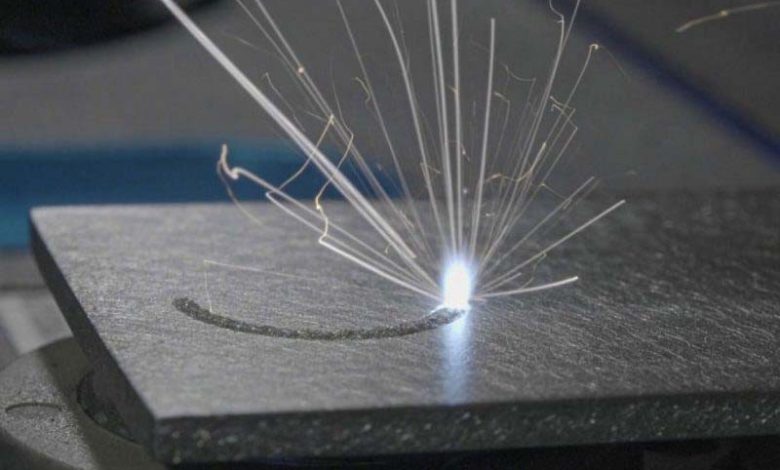
Laser wavelength determines how energy interacts with a polymer, making wavelength selection a key factor in marking quality.
Green lasers operating at 532 nanometers can mark certain PVC, ABS, and polystyrene formulations. UV lasers around 355 nanometers can suit selected HDPE applications, while 1,064-nanometer fiber or vanadate lasers can mark materials such as Delrin under appropriate conditions.
Resin grade, colorants, laser power, pulse duration and marking speed all influence the result, so manufacturers should test the actual material and component before approving a production process.
Validation should include automated code verification wherever practical. Manufacturers can set acceptance criteria for readability and contrast, document the approved laser parameters, and reassess the process when suppliers change resin formulations or component designs. These controls help maintain consistent marks across production runs.
Protecting Mark Durability Through Sterilization Cycles
Reusable devices must retain readable identifiers through their expected service lives. Autoclaving exposes components to heat, pressure, and moisture, while chemical disinfectants and other sterilization methods introduce additional stresses.
Manufacturers should test representative marked components through the expected cleaning and sterilization cycles. Afterward, they can assess code readability, surface changes, and material integrity against predefined acceptance criteria. Abrasion and routine handling also need consideration.
These tests connect marking validation with the actual usage conditions. A mark that stays readable throughout repeated processing helps ensure long-term traceability and gives service teams a dependable way to identify individual devices.
source: MPO